
[stuff.co.nz – 2025.11.26] New Zealand sea lions are among the rarest in the world, and it’s not often you see one at the dry cleaners, unless you’re in Dunedin.
A delivery driver shot the video of a pakake, or New Zealand sea lion, approaching the entry to Preens Drycleaners while the shop was shut, early Wednesday.
November marked the beginning of breeding season for sea lions, which meant humans would start to see more of them along southern coastlines, and they would turn up in unexpected places according to the Department of Conservation (DOC).
The drive-thru dry cleaners was located near the harbour, said Laura Deaker from Preens.
DOC Coastal Otago Biodiversity Ranger Moss Thompson said pregnant female pakake start searching for potential birthing and pupping sites in November, away from the advances of males.
“This means we often start seeing more females using beaches closer to Dunedin city – and sometimes in more urban locations like along roads, golf courses and people’s backyards,” Thompson said.
“As we get into December, and then through the rest of summer, pups start appearing, and as they get older, they’ll start exploring the area too, often showing up inland.”
Pregnant females and pups were extremely vulnerable and it was vital they were given the space and grace to do their thing safely, Thompson said.
Rangers were hoping for another record number of births this summer to add to the growing mainland population. To reach breeding colony status, more than 35 pups needed to be born.
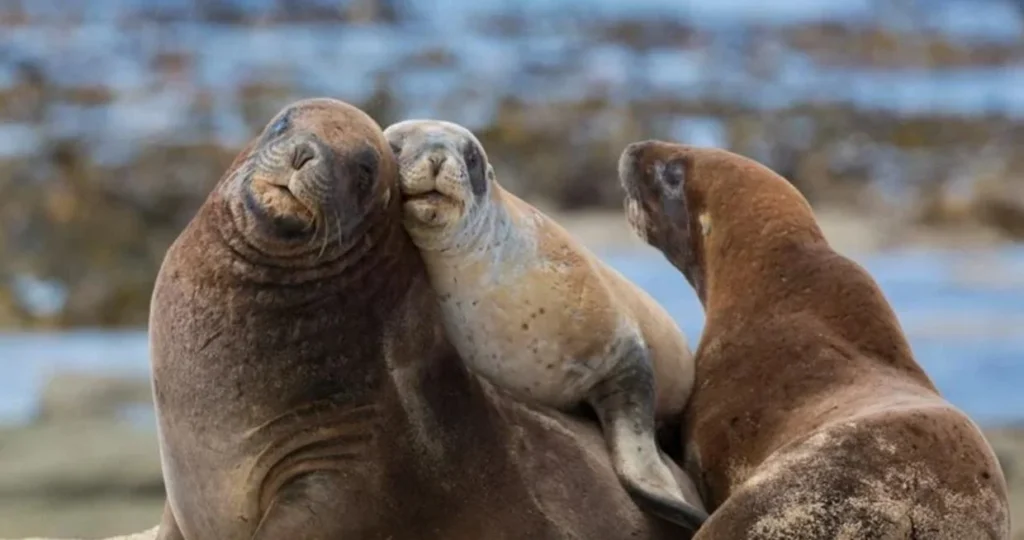
New Zealand sea lions were among the rarest in the word. Most of the 10,000 pakake were found in the New Zealand subantarctic, but their population was not doing well and was projected to decline 50–70% over the next three generations, according to DOC.
Dunedin and coastal Otago have an international reputation as a wildlife hotspot and this summer people are being asked to ‘pause for pakake’, Thompson said.
“This means keeping an eye out when you’re in coastal areas, keeping dogs under control, following instructions on all signage and paying special attention when driving or visiting hotspot areas such as Smaills and Tomahawk beaches, Saint Kilda, Brighton, and Hooper’s and Papanui Inlet roads on the Otago Peninsula.”
Read the original article on stuff.co.nz
