
A common dry-cleaning chemical was linked to triple the risk of serious liver scarring, pointing to a hidden environmental cause of liver disease.
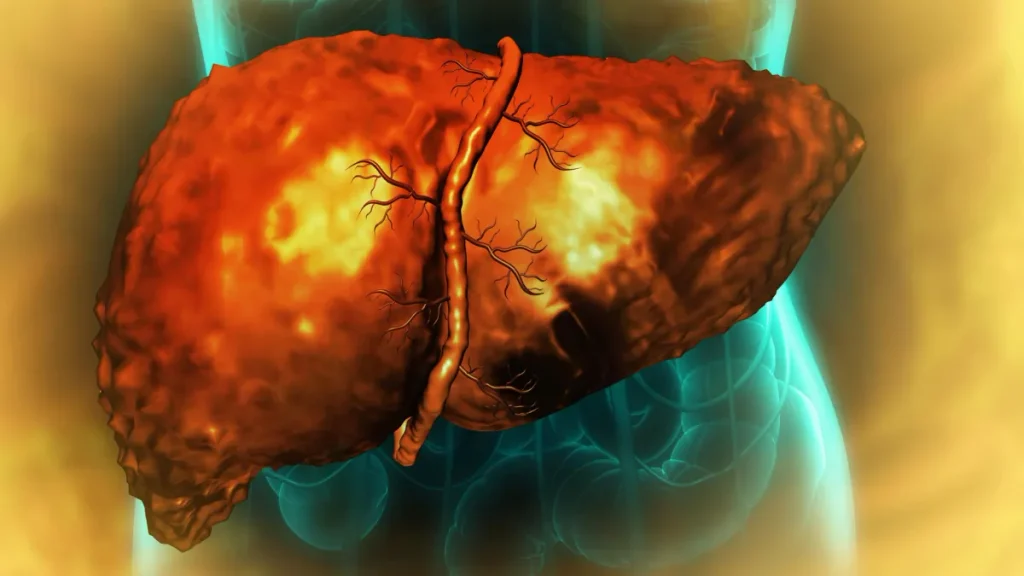
[sciencedaily.com – 2026.09.07] While liver disease is traditionally attributed to heavy alcohol use, metabolic conditions like obesity and diabetes, or viral hepatitis, new research points to an under-the-radar environmental culprit: tetrachloroethylene (PCE).
A study published in Liver International by researchers at Keck Medicine of USC reveals a strong association between PCE exposure and significant liver damage. PCE is a synthetic, grease-dissolving solvent widely used in dry cleaning, consumer adhesives, stainless steel polishes, and industrial processes. Exposure typically occurs by inhaling vapors from dry-cleaned textiles or consuming groundwater contaminated by improper chemical disposal.
Key Findings on PCE and Liver Health
Analyzing data from the 2017–2020 National Health and Nutrition Examination Survey (NHANES), researchers found that approximately 7% of the adult U.S. population had detectable PCE levels in their blood. The clinical implications for this exposed group are severe:
- Elevated Baseline Risk: Individuals with measurable PCE exposure are three times more likely to exhibit significant liver fibrosis—a buildup of scar tissue that can lead to liver failure or cancer—compared to those without detectable exposure.
- Dose-Response Escalation: The risk scales dramatically with exposure limits. For every one nanogram per milliliter (ng/mL) increase in blood PCE concentration, the odds of developing significant liver fibrosis increase five-fold.
- Demographic Patterns: Exposure correlates with higher-income households, which researchers attribute to more frequent utilization of dry cleaning services. However, dry cleaning facility workers also face severe occupational risks due to prolonged, direct exposure.
Solving “Unexplained” Liver Disease
Crucially, the study noted that traditional risk factors like alcohol consumption and fatty liver disease did not explain the fibrosis in patients with detectable PCE.
According to lead author Dr. Brian P. Lee, a hepatologist at Keck Medicine, these findings may finally explain idiopathic cases of liver disease in patients who do not drink and lack standard metabolic risk profiles. The research suggests that environmental toxins could be the differentiating factor when one patient develops liver disease while another with an identical demographic profile does not.
Because of its established toxicity and links to various cancers, the U.S. Environmental Protection Agency (EPA) has initiated a 10-year phaseout of PCE use in dry cleaning and imposed stricter workplace protections. However, the chemical remains prevalent in legacy products, contaminated environments, and international markets lacking comparable restrictions.
The Keck Medicine team urges the medical community to consider environmental toxins during patient evaluations. Expanding screening protocols for patients with known PCE exposure could facilitate earlier detection of fibrosis, drastically improving the chances of recovering liver function.
Read the original article on sciencedaily.com
